
Digitize Your Lab in 2026: Why Now Is the Time to Ditch the Binders
Three years ago, I stood in our lab’s records room, surrounded by shelves groaning under the weight of binders. Each binder was a badge of diligence, but also a daily reminder of inefficiency. I remember the anxiety before audits—frantic page-flipping, hoping the right training record hadn’t slipped behind a divider. That day, as we scrambled to find a single misfiled document, I realized: our processes were only as strong as our weakest piece of paper.
That was the moment our digital journey truly began.

The Roadmap: More Than Just Going Paperless
We didn’t just “go digital.” We built a plan—one that would carry us through regulatory changes, staff transitions, and the unexpected. Our approach was clear and diligent, shaped by lessons learned and a commitment to doing things right.
Early on, we brought everyone to the table:
• Lab techs who knew the workflows inside out
• IT partners who could translate needs into systems
• Compliance officers who kept us audit-ready
• Leadership who championed the vision
Their voices shaped our requirements and surfaced concerns we hadn’t even considered.
We mapped every digital workflow to regulatory standards, working closely with compliance experts to ensure nothing fell through the cracks. Change is hard, so we invested in hands-on training, open Q&A sessions, and peer champions. I’ll never forget one technologist—initially skeptical—who later told me, “I actually sleep better before audits now.”
How Digitization Transformed Our Workflows
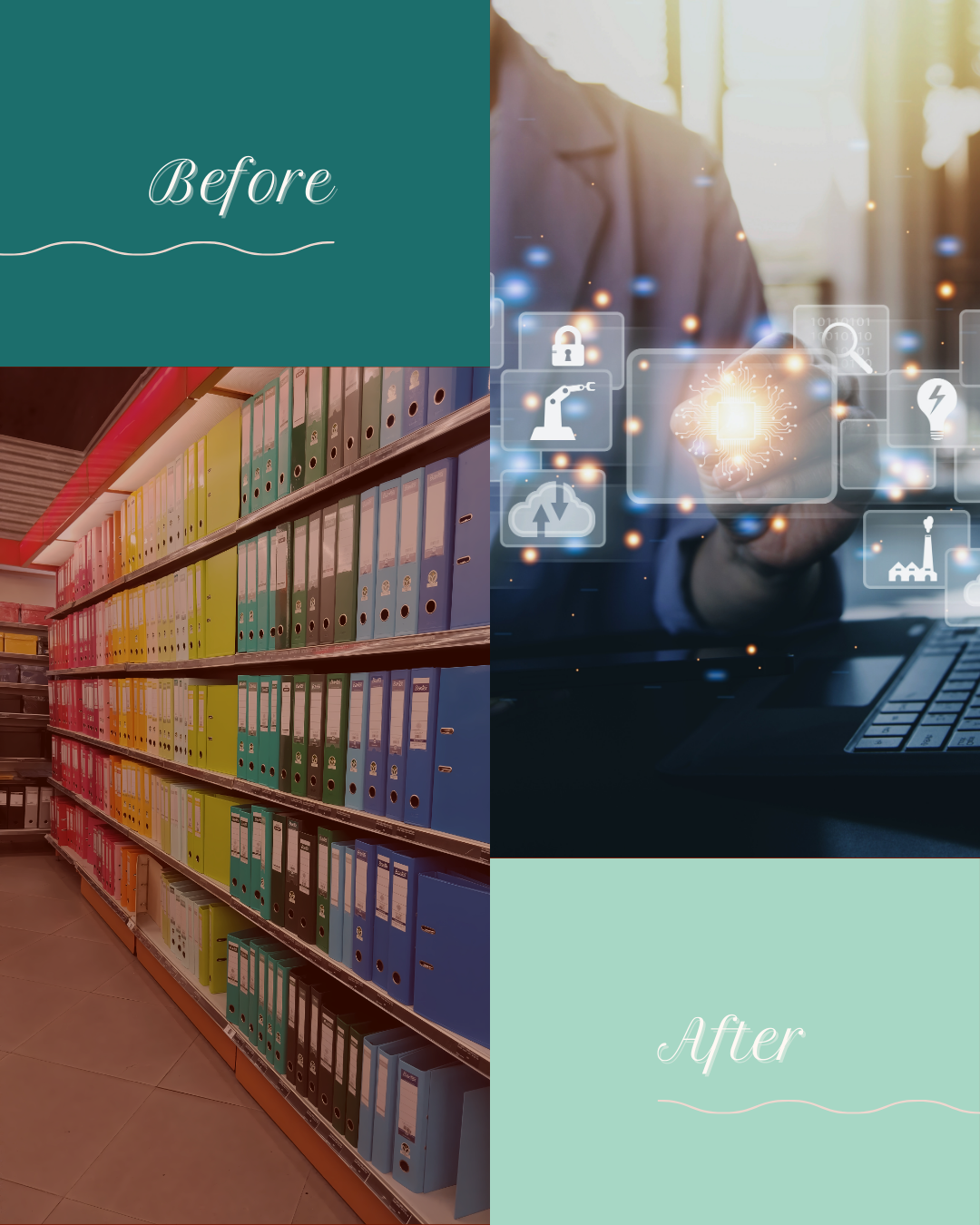
The impact of digitization was immediate and far-reaching. Suddenly, information that once took minutes (or hours) to find was available in seconds. Here’s how our workflows changed:
Visualizing What Matters: Custom Dashboards
Instead of flipping through pages of QC logs or monthly reports, our team could now visualize quality metrics, instrument performance, and turnaround times on custom dashboards.
Need to check if calibration was overdue? One glance at the dashboard.
Want to see trends in error rates or specimen rejections? Instantly available, with the ability to drill down by instrument, shift, or operator.
I remember a morning when our lead tech noticed a spike in QC failures—something that would have taken weeks to spot in paper logs. Because the dashboard flagged it in real time, we were able to intervene before it became a bigger issue.
Procedures and Records—Instantly Accessible
No more hunting for the latest SOP or wondering if a policy update had reached everyone.
Every procedure, policy, and training module was just a search away—accessible from any workstation, even during off-hours.
Version control meant we always knew which SOP was current, and staff could leave comments or flag unclear steps for review.
Quality Control and Calibration
Digitization didn’t just make QC easier—it made it smarter.
Automated reminders for calibration and maintenance
Digital QC logs with built-in checks for out-of-range values
Immediate alerts to supervisors if a control failed
This meant less time spent on paperwork and more time focused on patient care.
Education and Competency
Training used to mean tracking down sign-in sheets and hoping everyone had completed their modules. Now:
Staff receive automated notifications for upcoming or overdue training
Competency assessments are interactive, with instant feedback
Managers can see at a glance who’s up-to-date and who needs a nudge
One of our new hires told me, “I felt supported from day one—everything I needed was right there, and I never had to ask where to find it.”
Regulation and Compliance
Regulatory readiness became a way of life, not a last-minute scramble.
Every audit trail, from document edits to QC reviews, was automatically logged
Preparing for inspections meant generating a report, not assembling a binder
We could demonstrate compliance with confidence, knowing our records were complete and up-to-date
Communication Flows
Perhaps the most unexpected benefit was how digitization improved communication.
Announcements, policy changes, and urgent alerts reached every staff member instantly
Two-way feedback channels allowed staff to raise concerns or suggest improvements in real time
Cross-department collaboration became seamless, with shared access to key documents and dashboards
Implementing Digitization Across the Lab
The beauty of a well-designed digital system is its flexibility. We implemented digital solutions in every area:
Quality control and assurance
Instrument calibration and maintenance
Staff education and competency tracking
Regulatory documentation and audit trails
Procedure management and version control
Records retention and retrieval
Instant communication and feedback
Each area benefited from the same principles: accessibility, transparency, and resilience.
Supporting Labs of Every Size: Tailored Solutions for Real-World Challenges
One of the most rewarding parts of our digital transformation journey has been helping other organizations—big and small—find their own path to success. Over the past three years, I’ve seen firsthand that every lab faces unique challenges, but the right plan makes all the difference.
For Smaller, Independent Labs
I often hear from independent labs: “We don’t have the resources of a massive health system. Is digital transformation even possible for us?” The answer is a resounding yes.
In fact, smaller labs have unique advantages:
You can move quickly, with less bureaucracy.
Your teams are close-knit, making communication and buy-in easier.
Custom solutions can be scaled to fit your exact needs—no expensive, bloated systems required.
How we help:
We start with a focused assessment to identify your highest-impact opportunities—whether that’s digitizing QC logs, streamlining training records, or automating regulatory documentation.
We recommend affordable, scalable tools (sometimes even free or low-cost platforms) that fit your budget and workflow.
We provide hands-on support, from implementation to staff training, ensuring your team feels confident and empowered—not overwhelmed.
One independent lab director told me, “I thought going digital was out of reach. With your help, we started small, saw quick wins, and now I can’t imagine going back.”
For Larger Health Systems
Larger organizations face a different set of challenges: complex structures, multiple stakeholders, and the need for system-wide consistency. But with the right approach, digital transformation can become a quality initiative that unites teams and streamlines resources.
How we help:
We facilitate cross-department collaboration, bringing together IT, compliance, lab leadership, and frontline staff to build consensus and shared ownership.
We map out phased rollouts, pilot programs, and feedback loops to ensure buy-in at every level.
We help you leverage your existing resources—integrating with current LIS, EMR, or quality systems—so you’re not reinventing the wheel.
We design dashboards and communication flows that give leadership real-time visibility while empowering staff with the tools they need.
One health system partner shared, “Your team helped us break down silos and turn a daunting project into a shared success. Adoption was smoother than we imagined, and staff engagement soared.”
No matter your size, our goal is the same: to help you build a digital lab environment that’s resilient, compliant, and truly works for your team. Whether you’re just starting out or ready to scale up, we’re here to guide you—every step of the way.
Pitfalls We Avoided (and a Few We Didn’t)
Having a solid plan saved us from common traps. We resisted the urge to “flip the switch” overnight, opting instead for a phased rollout. Customization was key; one-size-fits-all solutions would have left gaps. Most importantly, we listened to staff feedback—sometimes the smallest suggestion made the biggest difference.
Of course, not everything went perfectly. We underestimated the time needed for data migration, and while regular updates kept most people in the loop, a few felt left behind. We learned to over-communicate by default.
The Results: More Than Compliance
Today, audits mean a few clicks, not a paper chase. Our team reports less stress and more confidence. Digital workflows make it easy to update processes and track changes. And when a regional power outage hit, our redundancies kept us running.
Why Now?
If you’re still on the fence about digitizing your lab, consider this:
Regulations are only getting more complex. Staff turnover is a reality. And the cost of inefficiency—both in time and risk—keeps rising.
The best time to start was yesterday. The next best time is now.
Ready to Ditch the Binders?
Our journey wasn’t perfect, but it was worth it. If you’re ready to take the leap—or just want to talk through your options—let’s connect. Book a free digital readiness consultation and let’s build your roadmap together.
